Scroll through the social feed of almost any growing online store, and you can usually tell when the business changed direction, hired someone new, or stopped posting for a few weeks. These shifts show up in visuals, tone, timing, and priorities.
Instead of telling a clear story, the feed begins to look like a collection of unrelated fragments from different phases of the company. The profile reflects effort, ideas, and work, but it lacks continuity.
Consistency in social media marketing is one of the hardest things to maintain. This article is about that problem.
It is also about how tools like Stryng change that story for online stores trying to stay visible and recognizable.
How You End Up Posting Inconsistently
Inconsistent social media starts with good plans.
A founder opens a spreadsheet. There is a posting schedule: three posts per week, maybe four. There are color codes. There is even a tab called “Ideas.” For a few weeks, it works.
Then, new products arrive or supplier sends the wrong batch. Packaging changes and photos need updating. Customer support takes more time than expected. A freelancer becomes unavailable or a new person joins the team and brings different habits.
None of this is dramatic: it is actually normal. The problem is cumulative.
Each small shift bends the content process slightly. Over months, those bends turn into misalignment. Visual style changes, topics drift and campaigns lose continuity. Some ideas never leave drafts, while others appear weeks too late. Sometimes , the account looks abandoned: platforms notice this, so do customers.
Nothing was “wrong” or coordinated, but altogether it affects traffic, conversions, and how reliable the brand appears.
What Consistency in Social Media Marketing Actually Looks Like
People talk about consistency as if it means “post every day.” Not only is this unrealistic for most e-commerce stores, but posting steadily is only one part of being consistent in social media marketing.
Real consistency looks like this:
- account shows up regularly
- visuals look related
- tone stays stable
- offers do not appear random
- feed tells a story instead of fragments
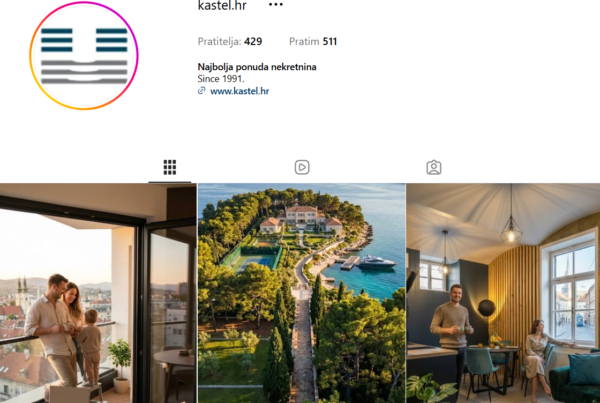
A furniture store, for example, might post a sofa photo, a living room setup, a short video about materials, and a sale reminder spread across two weeks. Same style, same voice, same direction. That is consistency.
In the example below, we can clearly see which of these two stores struggles with it:
 When someone encounters your brand today and again three months later, the experience should feel connected. Not identical, but related. Visual language, tone, pacing, and priorities should evolve together instead of drifting apart.
Research in digital commerce and content marketing suggests that stable publishing rhythms and recognizable brand presentation contribute to higher long-term engagement and repeat visits.
Promotions perform better when the audience recognizes patterns. New visitors understand positioning faster when the feed reflects a coherent direction.
Life Before Systems: Notes, Drafts, and Forgotten Ideas
Before tools like Stryng in the game, most online stores run on improvised systems.
Business as usuall looked like this:
- Folders called “Posts Final”, “Posts New”, “Posts Use Later”,“Posts Final FINAL”.
- Note apps full of half-written captions.
- Google Docs with comments like “Can we rewrite this later?”, “Add emoji?”, and “Check product link.”
- Alarms that say “Post at 6 pm” that go off while the owner is standing in a warehouse.
Consistency needs structure. Without it, it relies on memory and willpower, that rarely lasts in real content marketing operations.
How Stryng Changes the Rhythm of Content
Stryng approaches consistency in a different way. It does not ask for motivation. It asks for a website link.
- Once the store URL goes in, Stryng learns the products, categories, visuals, and tone.
- It starts generating content that matches the brand: photos, carousels, videos, ads, and campaigns, all connected.
- Publishing happens automatically: no reminders, no alarms, no last-minute edits at midnight.
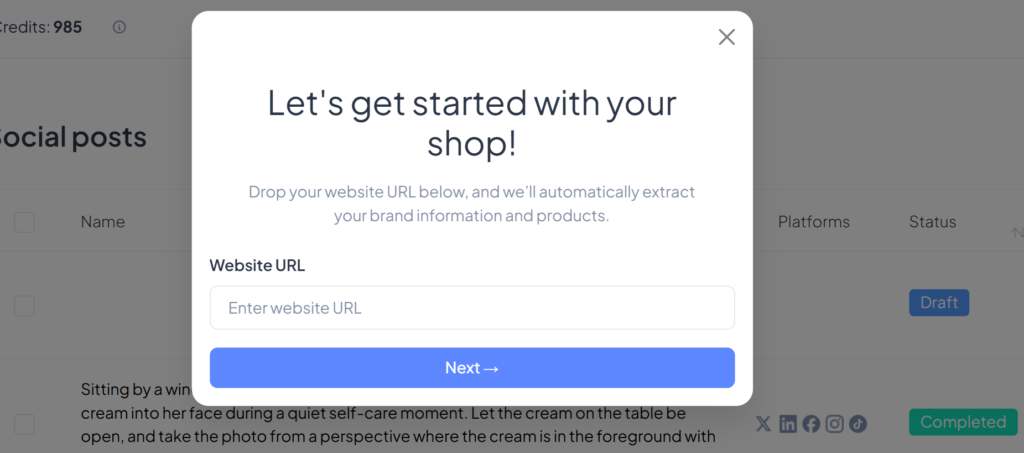 Here is how this changes daily life.
A home decor store uploads its link. Stryng creates a two-week campaign. Each post references real products.
Visuals share the same style. Captions follow the same voice. Instead of starting every post from zero, the system builds on what already exists.
The founder reviews, makes adjustments if needed, and approves.
This is where consistency in social media marketing becomes practical. It stops depending on personal energy and becomes part of ecommerce operations, like inventory systems and payment gateways.
Consistency Without Becoming a Full-Time Content Manager
One fear many founders have is simple: “If I take content seriously, I will lose half my week.” They imagine endless editing and reviews.
That does happen in traditional setups, but Stryng removes most of that.
You still control what goes out: you approve and give feedback. You just don’t assemble everything by hand.
Think of it like this.
Before: you collect materials, write drafts, chase files, and schedule posts.
Now: you review ready content, tweak, and approve.
A brand owner once described it like this: “Before, social media lived in my head. Now it lives in the system.”
That is the shift. Consistency moves from memory to infrastructure. And infrastructure does not forget.
When Consistency Becomes Invisible (In a Good Way)
The final stage of consistent marketing is strange: you stop thinking about it.
Posts appear, campaigns run, visuals stay aligned. The tone remains familiar. Customers recognize the brand, even when months pass between visits.
Nothing dramatic happens. That is the point.
For an online store, this changes how growth works. Instead of spikes and drops, you see smoother curves. Instead of silent weeks, you see steady presence. Instead of “We should post more,” you see “It’s already handled.”
Stryng acts as a framework that keeps things moving. Like a metronome behind music: you notice it when it stops, not when it runs.
And that is the key to consistency in social media marketing and, generally, content marketing for ecommerce brands.
For founders who want their online stores and webshops to grow without turning into full-time marketers, that difference is everything.
Start with Stryng and let your content stay consistent.