AI tools can produce text that sounds calm, clear, and informed. For many readers, that tone suggests neutrality. It creates the sense that the words come from a place without bias or preference. This is one reason people rely on AI for explanations, summaries, and advice.
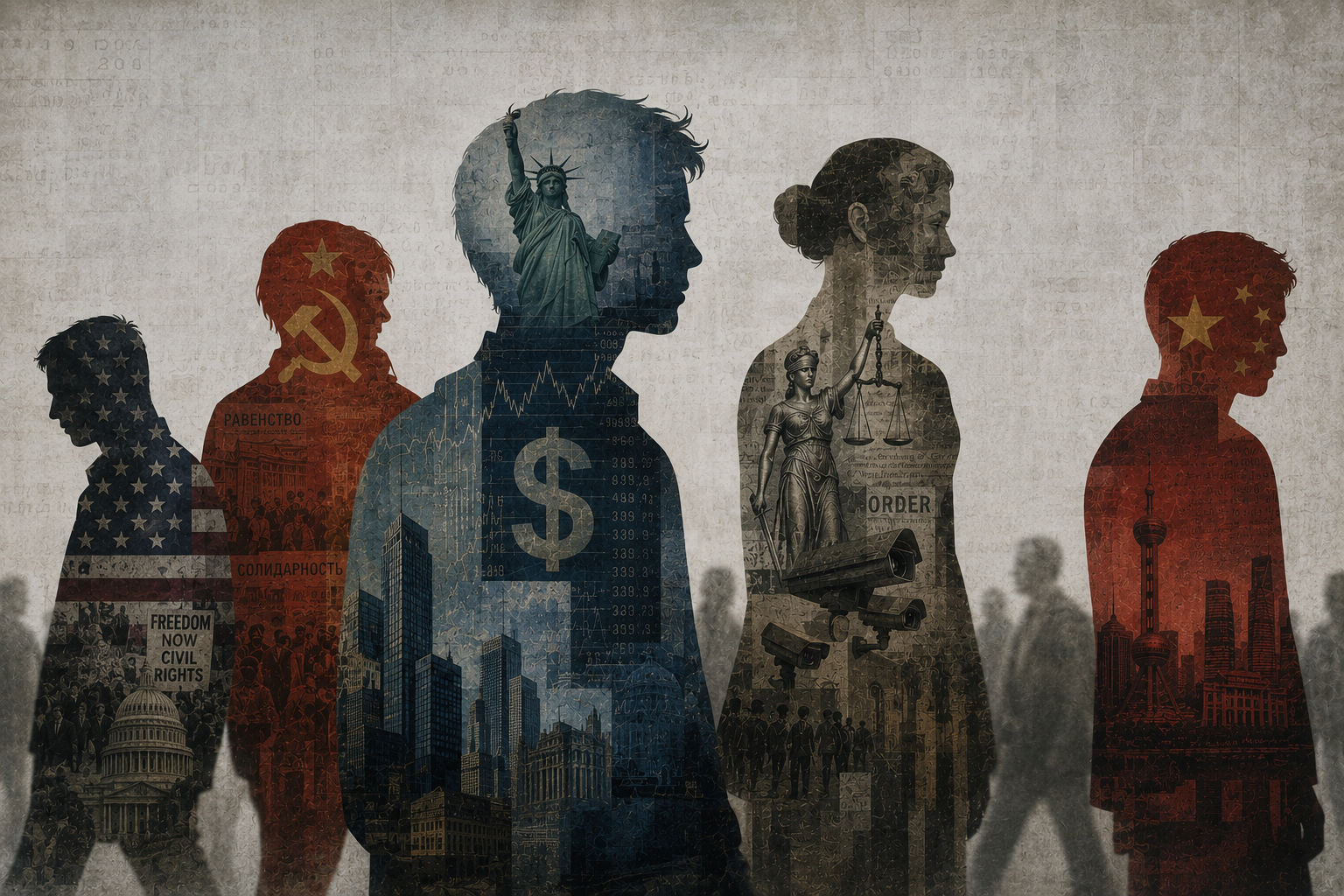
What the typical reader does not realize is that there are many hidden ideologies in AI content. Even when a text sounds balanced, it may reflect certain ways of thinking. These do not come from a single author. They emerge from the data used to train the system and the rules that guide its output.
To see this more clearly, it helps to step back and look at what ideology is and how it shapes everyday language.
What Is Ideology and How Does It Work in Text
Ideology as a Way of Seeing the World
An ideology is a set of ideas that shapes how people understand reality. It influences what seems normal, what seems desirable, and what seems possible. These ideas are not always stated directly. They can appear in small choices, such as how a problem is described or which solution is presented first.
For example, a text about success may describe it as the result of hard work and discipline. Another text may focus on social conditions or access to education. Each version reflects a different way of seeing the same issue.
How Ideology Shows Up in Language
Ideology does not need strong or emotional language. It can appear in calm and measured writing. It shows up through:
- framing of a topic
- choice of examples
- what is included or left out
A short explanation about climate policy, for instance, may focus on market incentives or on collective action. Both can sound reasonable. The difference lies in the perspective behind the explanation.
Why AI Text Can Seem Neutral
AI-generated text tends to use a steady tone. It avoids extreme wording and presents information in a structured way. This style can give the impression that the text stands above debate.
In practice, the system draws from patterns in its training data. Those patterns include many viewpoints, but they are not evenly distributed. Some ideas appear more frequently than others. As a result, certain perspectives become more visible in the output.
Individualism in AI-Generated Content
This ideology places the individual at the center of explanation and responsibility. Its main idea is that individuals are primarily responsible for shaping their own lives and outcomes. It emphasizes personal choice, self-reliance, and individual effort over social or structural factors.
In many AI responses, personal choice and self-improvement appear as key themes. Problems are described in terms of habits, skills, or mindset.
- Question: “Why am I not successful?”
- Answer: focus on discipline, goal setting, time management, and learning new skills
This type of answer can be helpful. It offers concrete steps. At the same time, it gives less space to external factors such as economic conditions, family background, or access to resources.
- Question: “How can I improve my career?”
- Answer: develop new skills, network, manage time better
The emphasis stays on the individual. The broader context remains in the background.
 Liberalism in AI Explanations
Liberalism is a social and economic ideology that emphasizes individual freedom, private enterprise, and gradual reform within existing systems. It generally supports market economies, personal choice, and institutions designed to protect rights and maintain stability. It appears in how AI explains economic and social issues.
- “How can a country reduce unemployment?”
A typical answer:
- encouraging business growth
- improving education and training
- adjusting policies to support job creation
These suggestions rely on the idea that markets, with some guidance, can address problems. More radical options, such as complete restructuring of economic systems, receive less emphasis.
- “How to solve housing shortages?”
AI responses may highlight increasing supply, adjusting regulations, or offering incentives for construction. These solutions follow a familiar line of thought that focuses on policy adjustment within an existing system.
The tone remains calm and reasonable. The underlying perspective favors incremental change and market-based solutions. This reflects a pattern present in much of the training material.
Technocracy and the Focus on Expertise
Technocracy is the belief that complex social problems are best managed by experts, data, and specialized knowledge. It tends to view society as something that can be improved through efficient systems and technical solutions. This perspective appears clearly in AI-generated content.
When asked about complex issues, AI tends to present them as problems that can be analyzed and improved through better systems.
- “How can education be improved?”
A common answer:
- use of data to track student progress
- personalized learning systems
- improved teacher training based on research
These ideas frame education as a system that can be optimized. Social or cultural aspects may receive less detail.
- “How to reduce traffic congestion?”
AI might suggest:
- smarter traffic management systems
- data-driven planning
- improved infrastructure design
The focus stays on technical interventions guided by expertise.
This perspective can be useful. It provides clear and actionable ideas. At the same time, it can narrow the discussion by placing less weight on lived experience or local context.
 Progressivism and the Idea of Improvement Through Change
Progressivism is closely connected to the belief that societies can improve over time through reform, innovation, and new ideas. It treats technological and social change as positive forces that move society forward. This idea appears frequently in discussions about technology and society.
AI-generated text tends to describe new developments in a positive light, even when it acknowledges risks.
- “Will AI improve society?”
Responses often emphasize how AI can increase efficiency, improve healthcare, and expand access to information. Risks such as job loss or misuse are mentioned, but they are framed as challenges that can be managed.
- “Is new technology good for education?”
The answer may highlight access to resources, flexible learning, and new teaching methods. Possible downsides may receive less detail.
This pattern reflects a broader narrative found in many modern texts: that innovation leads to progress. AI reproduces this narrative because it appears frequently in its training data.
The Illusion of Neutrality
AI-generated text sounds neutral because of its calm tone, structured language, and balanced style. That appearance of objectivity can make the underlying assumptions harder to notice.
In many ways, this is where ideology becomes most powerful. Ideas influence people most effectively when they appear natural, reasonable, and free of ideology altogether. Instead of sounding political or biased, they simply sound like common sense.
The examples in this article reveal hidden ideologies in AI content. Individualism emphasizes personal responsibility. Liberalism favors market-based reform. Technocracy trusts expertise and systems. Progressivism presents innovation as a path forward.
This does not mean AI-generated content is useless or intentionally manipulative. It means that AI tools reflects patterns found in human knowledge, institutions, and culture. Reading AI text critically therefore involves asking not only what is being said, but also which assumptions shape the response and which perspectives remain less visible.